
Our Cause
Empowering Lives, One Sole at a Time
Podoconiosis Disease
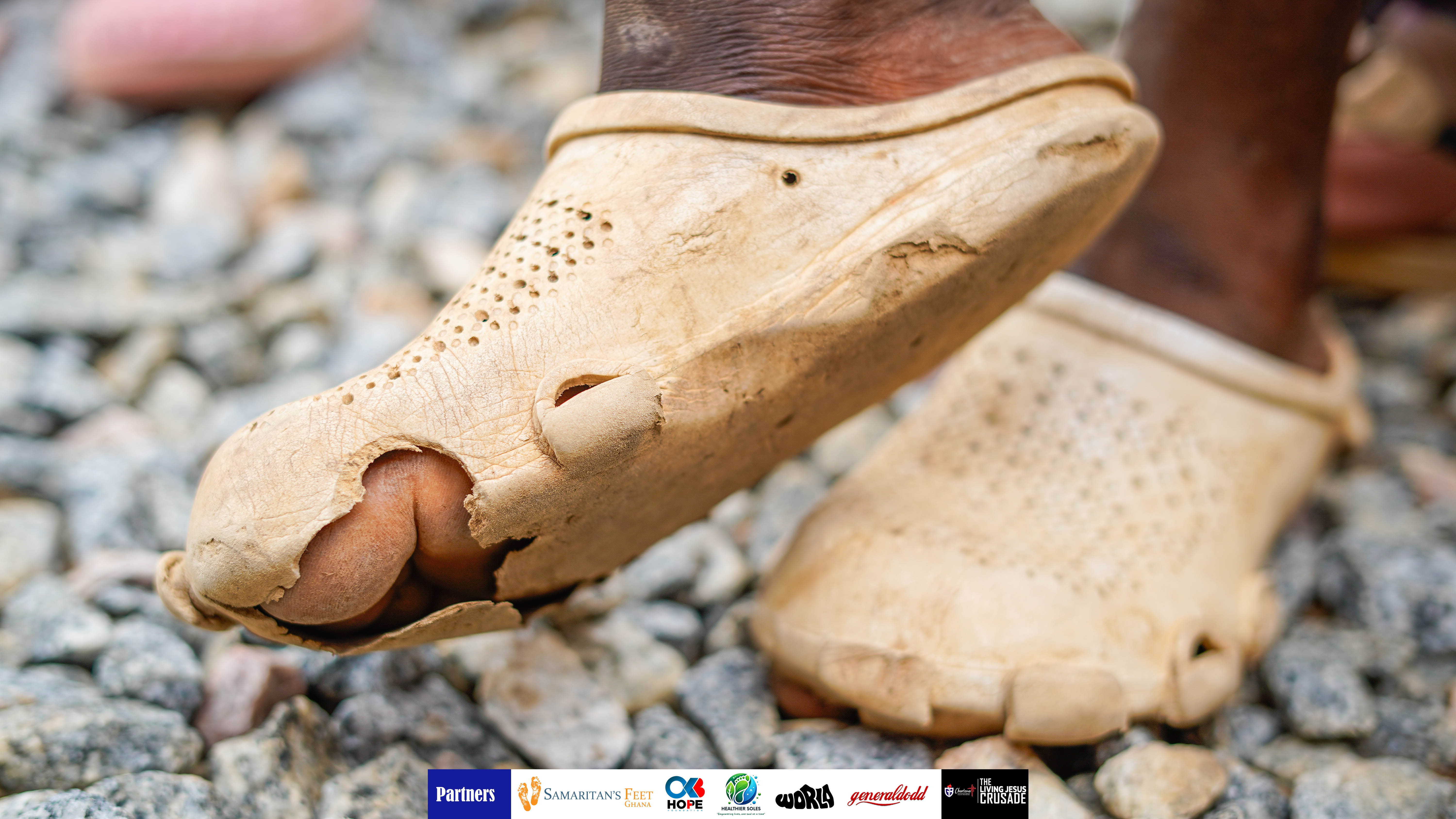
Podoconiosis, also referred to as non-filarial lymphedema, is a disease caused by long-term exposure to irritant soils. When walking barefoot, these irritant soils may penetrate the skin, causing inflammation, swelling, and thickening of the legs. The disease is a major health problem in rural farming communities, especially in Africa where people have limited access to shoes. Treatments include surgery, mental health support, and reduced exposure to the soil, which in Africa, is very costly, and urgent medical care is hard to find. Podoconiosis can be prevented by the use of protective footwear to prevent the soil irritants from penetrating the skin.
Proper footwear can stop the disease.
Common in farming areas, especially in Africa.
Access to treatment and care is essential.
Hookworm Disease
Hookworm disease is caused by a parasitic worm that enters the body through the feet and travels to the intestines. It can stay there for years, causing pain, malnutrition, and effects on mental and physical growth. Protective footwear, awareness, and timely medical care can help prevent the spread and protect children in rural communities.
Protective footwear reduces the risk.
It can affect growth and learning.
Awareness and care can stop the spread.
General Welfare
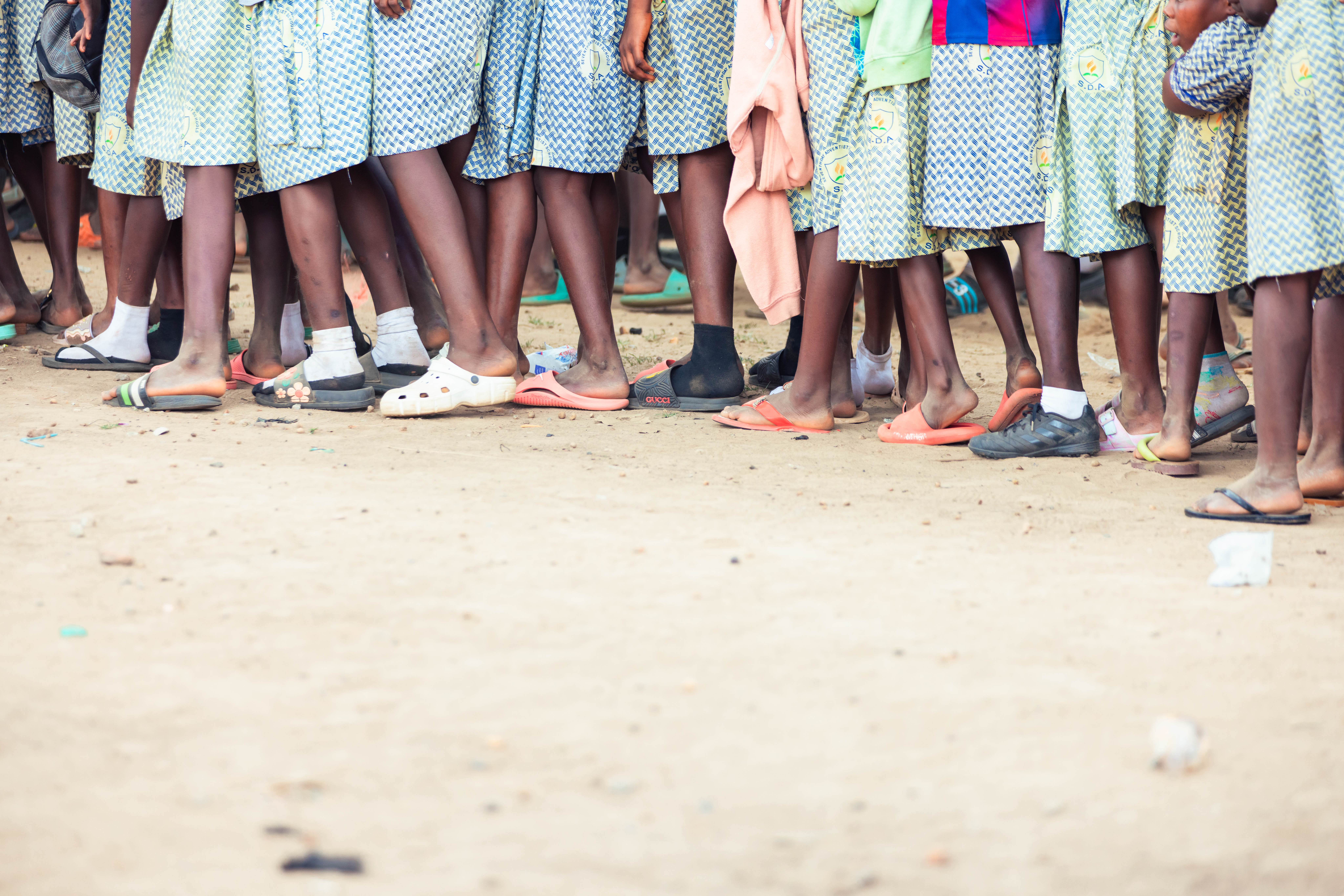
Diseases and parasitic infections are not the only effects of not wearing shoes. Fungal and bacterial infections are common in Africa, as one scratch on your foot can let in harmful chemicals, bacteria, fungi, and parasites. We work to make sure every child can stay on their feet, stay healthy, and protect their future.
Prevents Infections
Reduces the risk of fungal, bacterial, and parasitic diseases.
Protects Families
Helps communities stay healthy and active.
Supports Education
Keeps children healthy and able to attend school.
Builds Stronger Communities
Improves overall well-being and quality of life.
.jpg)